How to Plan a Multi-Day School Sports Trip
A multi-day sports trip can be a major milestone for student-athletes and a major coordination project for coaches, athletic directors, and school staff. Between tournament schedules, hotel rooming lists, equipment, meals, parent updates, transportation, and travel logistics, the details add up quickly.
The best approach is to build one clear plan early, assign responsibilities, and leave room for the unexpected. From arranging reliable team transportation with RGVTours to coordinating hotels, schedules, and game-day logistics, having the right plan in place can make the entire trip run more smoothly.
Use this coach’s checklist for school trips to keep your team organized from the first RSVP to the final drop-off.
1. Start With the Non-Negotiables
Before booking anything, confirm the details that shape every other decision:
- Tournament or game dates, locations, and required arrival times
- Number of athletes, coaches, chaperones, trainers, and managers traveling
- School approval requirements and travel policies
- Trip budget, payment deadlines, and fundraising needs
- Overnight dates and preferred lodging area
- Accessibility, medical, dietary, and accommodation needs
Create a master roster with each traveler’s name, mobile number, emergency contact, jersey number, rooming assignment, and any essential notes approved for the trip team to access. Keep a secure digital version and a printed backup.
2. Build a Travel Itinerary That Includes Buffer Time

A strong itinerary does more than list departure and game times. It supports team travel planning by telling everyone where they need to be, when they need to be there, and who is responsible for the next move.
Map every key moment: school departure, planned meal and restroom stops, hotel check-in, team meetings, warm-up windows, competition times, recovery meals, curfew, and return arrival. Add realistic buffers for traffic, loading equipment, venue parking, weather, and check-in lines.
Share the final itinerary with parents, school administrators, drivers, chaperones, and athletes at least one week before departure. Put one person in charge of communicating schedule changes so players do not receive conflicting updates.
3. Book Athletic Team Transportation Early
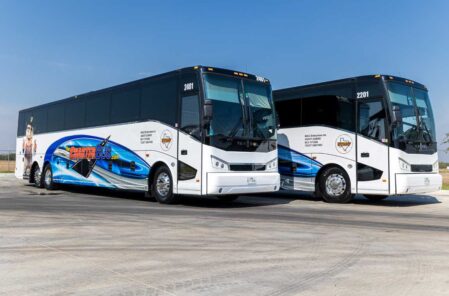
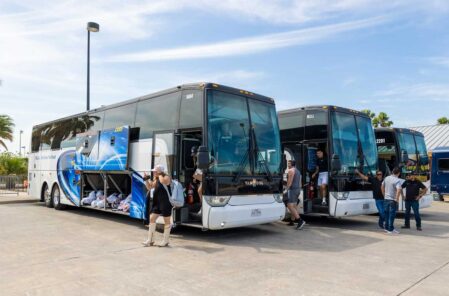
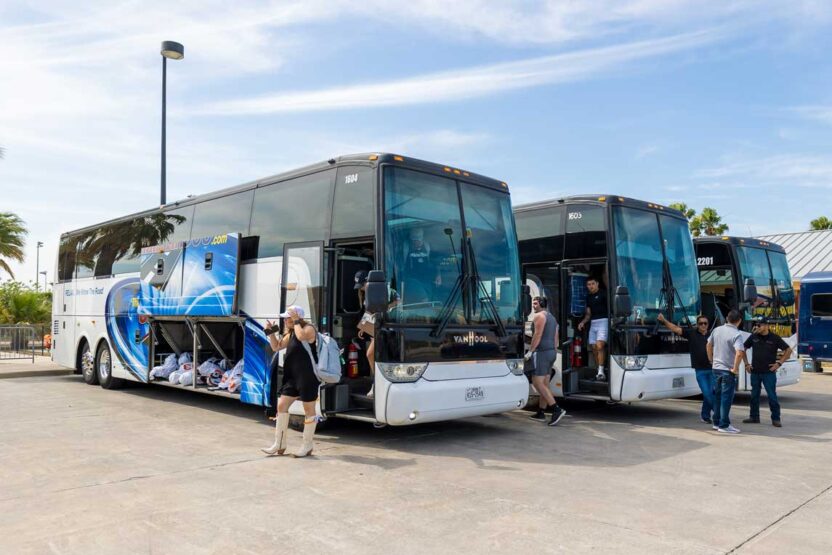
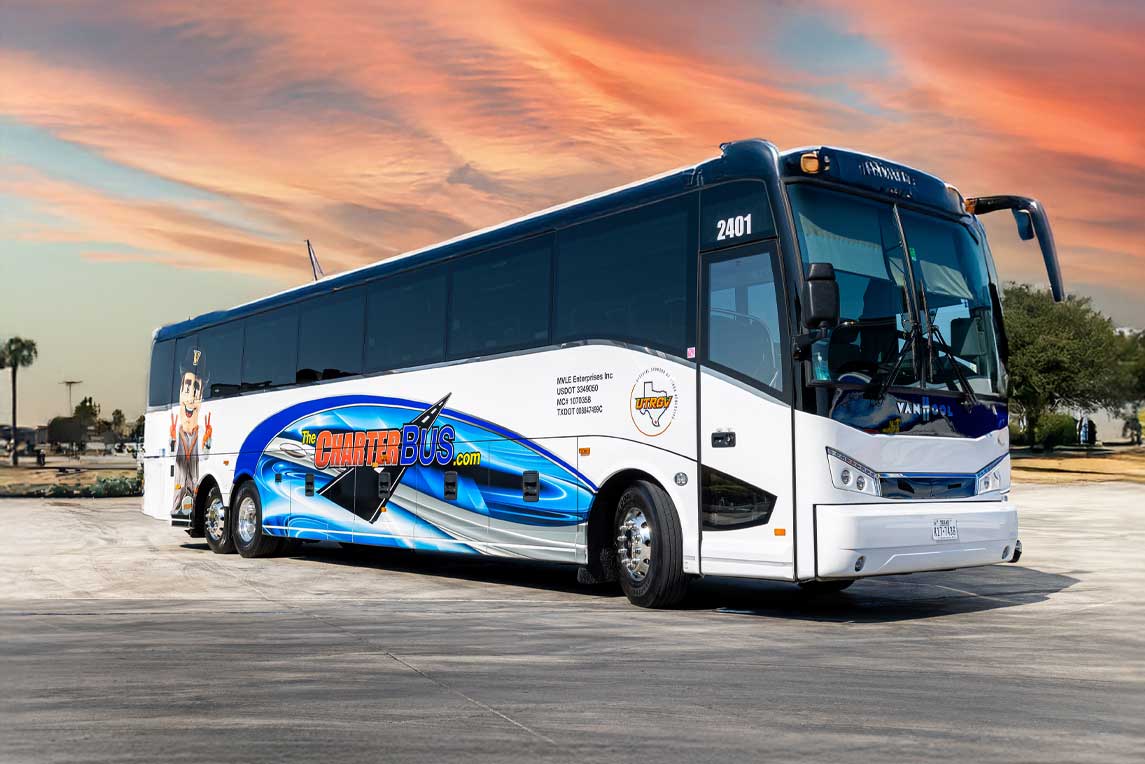
For multi-day school sports travel, keeping the group together makes supervision and schedule management far easier. A charter bus for sports teams also gives you a single point of contact for the route, pickup schedule, and luggage planning rather than coordinating a caravan of personal vehicles.
When requesting a quote, provide your exact dates, pickup location, game venues, hotels, group size, equipment needs, and any planned local shuttles. Ask about parking, tolls, driver lodging if applicable, and the process for itinerary changes. The Charter Bus recommends sharing your destination, dates, and group size before selecting the right vehicle and securing the reservation.
Match the vehicle to both people and gear. A 50–56 passenger coach has three baggage compartments and can be a practical fit for larger rosters with duffels and equipment. For a smaller squad, a 40-passenger minibus offers baggage space and onboard features that can make long travel days more comfortable. Confirm amenities in writing; Wi-Fi and power outlet availability can vary by trip.
For Illinois programs, a dedicated Illinois charter bus service can support transportation from Chicago-area schools to sports venues, overnight destinations, and airport connections. Schools traveling farther afield can also coordinate service in Texas, Georgia, Dallas, Houston, or McAllen, depending on the trip plan.
4. Secure Lodging That Works for a Team
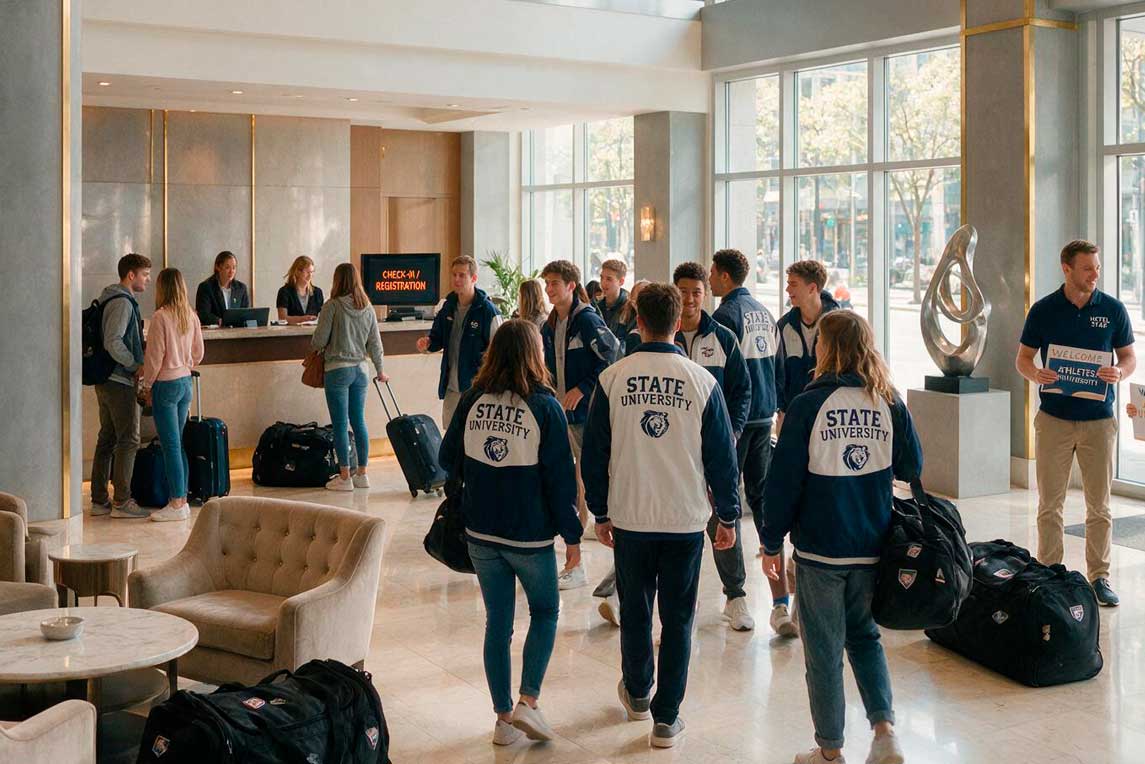
Choose a hotel based on more than the nightly rate. Look for proximity to the venue, bus parking availability, group breakfast options, late check-in procedures, meeting space, and clear rooming policies for minors.
Before confirming, ask the hotel:
- Can rooms be grouped on the same floor or in the same wing?
- Is breakfast available early enough for game-day schedules?
- Is there a quiet meeting room for film review or team meals?
- Where can the bus load and unload safely?
- What are the rules for room checks, security deposits, and incidentals?
Prepare a rooming list with student names, chaperone assignments, and room numbers. Keep room numbers off public-facing parent communications to protect student privacy.
5. Plan Meals and Hydration Around Performance
Meal planning should support the competition schedule, not compete with it. Identify restaurants or catering options near the hotel and venues, then reserve group meals in advance when possible. Make note of food allergies, religious restrictions, and medical dietary needs.
Schedule regular water breaks and pack shelf-stable snacks for the road, such as fruit cups, pretzels, granola bars, or crackers. Avoid trying unfamiliar foods immediately before competition. For early games, confirm breakfast service or arrange boxed breakfasts the night before.
6. Create an Equipment and Packing System
Equipment is easier to manage when every item has an owner. Assign a coach, manager, or captain to each category: uniforms, balls, training supplies, first-aid kit, water coolers, technology, and recovery gear.
While planning team travel, use a departure checklist and a return checklist. Label bags and equipment bins with the school and team name, then load them in a planned order so game-day essentials are easy to reach. Athletes should pack uniforms, shoes, toiletries, medications handled according to school policy, chargers, a refillable water bottle, and weather-appropriate layers in a personal bag.
7. Organize Documents and Parent Communication
Collect required permission slips, medical forms, insurance information, conduct agreements, and payment confirmations well ahead of the deadline. Give each chaperone a secure emergency-contact list and copies of the itinerary.
Send parents one concise pre-trip packet that includes departure and return windows, hotel name, packing expectations, communication protocols, behavior standards, and an emergency contact number. During the trip, use one designated messaging channel for updates. A quick arrival message, score update, or schedule change reassures families without asking coaches to respond individually to dozens of texts.
8. Prepare for Emergencies Before You Leave
Every multi-day trip needs a simple, documented response plan. Identify the nearest urgent care, hospital, pharmacy, and police or school contact at the destination. Carry a first-aid kit, copies of medical information as permitted by school policy, and a list of authorized adults.
Review procedures with athletes and chaperones before departure: buddy systems, head counts, curfew, room checks, lost-phone protocol, and what to do if someone becomes separated from the group. Make sure the driver has the finalized itinerary and an emergency contact for the trip leader. The Charter Bus team is available to assist with trip planning support and roadside inquiries.
9. Add Value to Your Destination Plan
If your schedule allows, consider a team-building activity or educational stop that complements the trip without overloading athletes. Programs can pair a competition with visits to iconic attractions such as Chicago’s museums and the Abraham Lincoln Presidential Library in Illinois, the Space Center and Museum District in Houston, the Sixth Floor Museum or Perot Museum in Dallas, the International Museum of Art & Science in McAllen, Georgia’s Georgia Aquarium and World of Coca-Cola in Atlanta, or scenic outdoor destinations such as Starved Rock State Park and Texas state parks. Thoughtfully planned stops add educational value and strengthen team bonds while still prioritizing rest, recovery, and game preparation. For fully arranged group-tour support, you can also explore RGV Tours.
Traveling together can also reduce the number of separate vehicles on the road. Charter bus travel can be a more efficient group option when a roster, staff, and gear all share one ride.
Your Final School Sports Trip Checklist
Before departure, confirm:
- Approved itinerary with buffer time
- Transportation, driver details, and parking plan
- Hotel confirmation and rooming list
- Meal reservations, snacks, and hydration supplies
- Equipment inventory and loading plan
- Permission slips, medical information, and emergency contacts
- Parent communication packet and update channel
- Chaperone assignments, conduct expectations, and safety plan
A well-planned trip lets coaches spend less time managing logistics and more time leading their athletes. For dependable transportation that keeps your team together from pickup to return, explore The Charter Bus fleet and contact the team to begin planning your next school sports trip. We are experts on RGVTours!